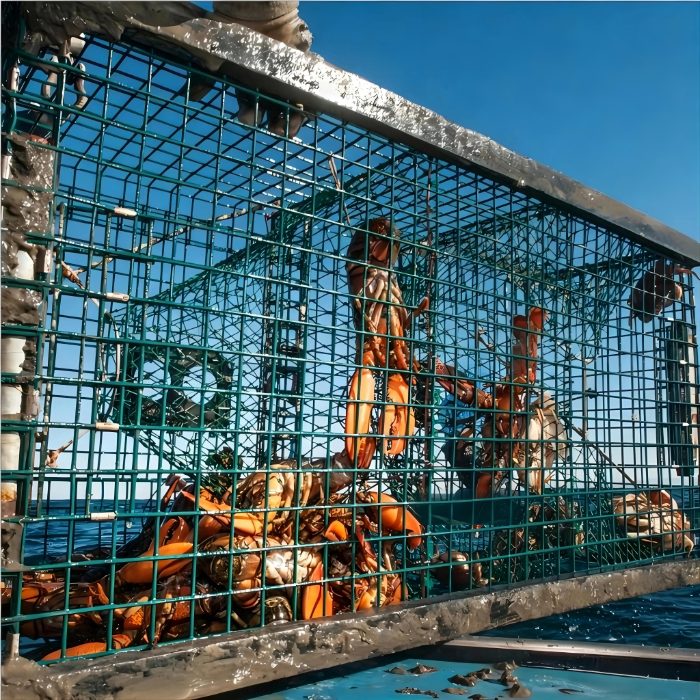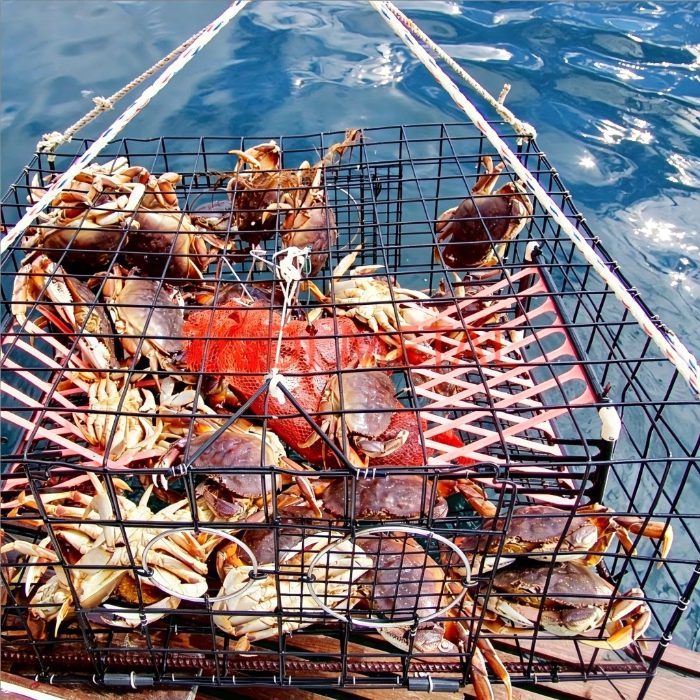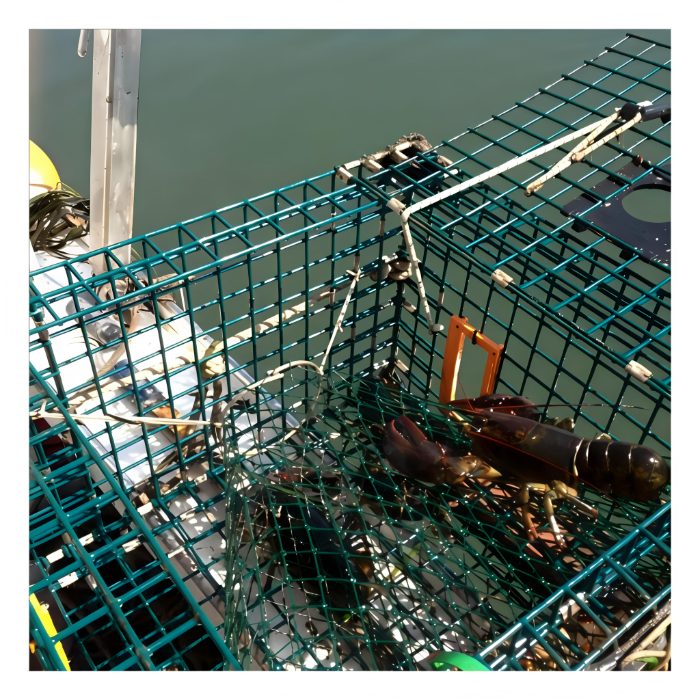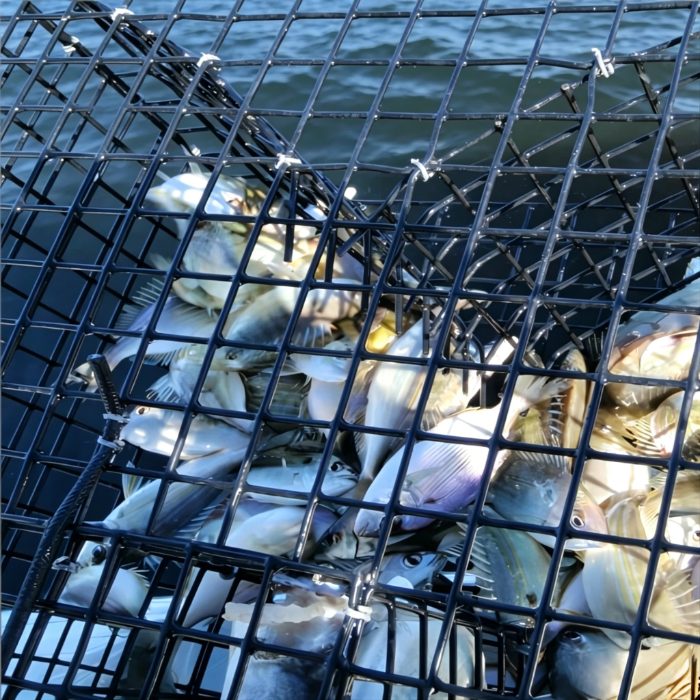
Own workshop, own jigs
Welding jigs and mesh looms are built in-house, which keeps frame geometry identical from the first container to the tenth.
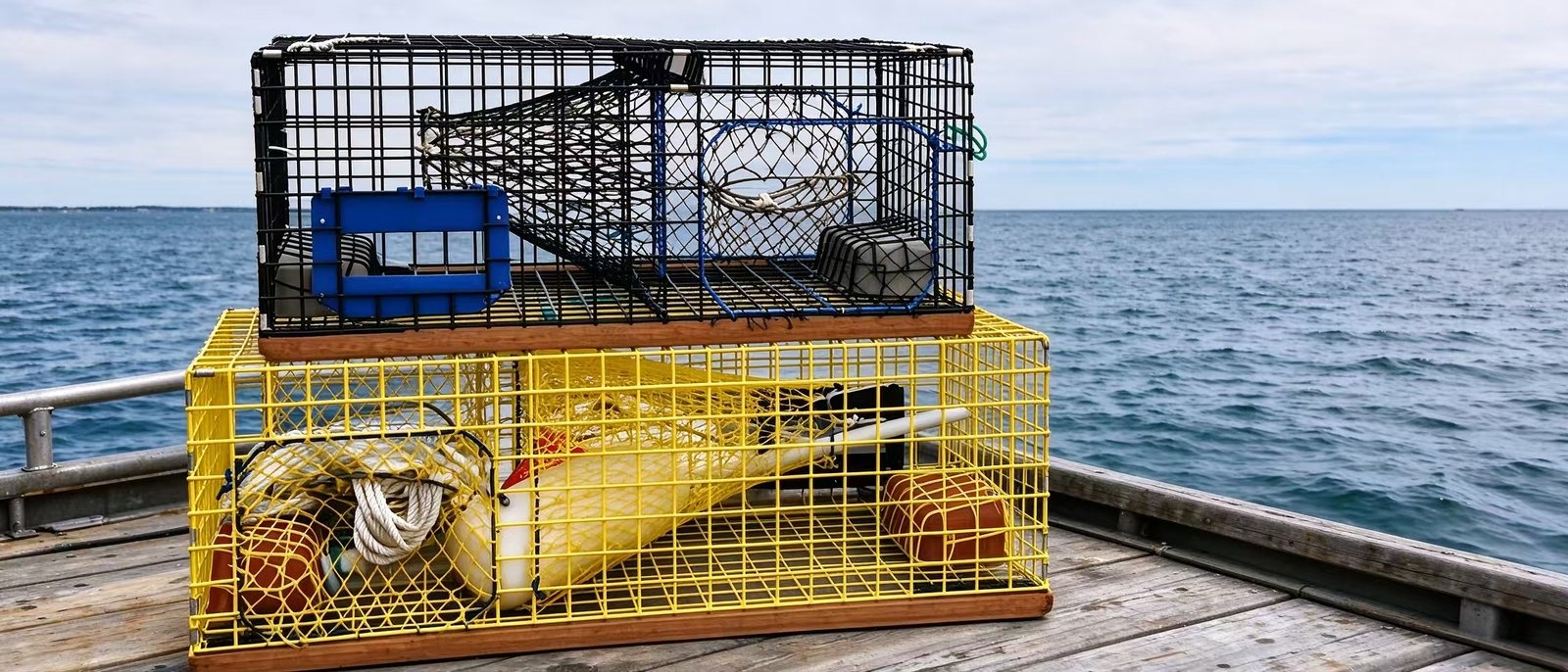
We weld, coat and pack deep-sea shrimp traps and PVC-coated lobster cage wire in our own workshop in Hebei, China. Send us your drawing, target size or sample mesh — we quote from the production line, not from a catalog.
Every panel is cut, bent and welded under one roof, so we control mesh gauge, frame stiffness, galvanizing weight and packing — the four things that decide how a trap performs in the water and how it lands at your port.
Welding jigs and mesh looms are built in-house, which keeps frame geometry identical from the first container to the tenth.
Zinc coating is specified in g/m² and checked per batch, so traps survive salt water and repeated hauling instead of rusting out in one season.
Mesh aperture, frame wire diameter, entrance funnel count and overall dimensions are all made to your local quota and target species.
Traps are nested, strapped and palletized to cut freight cost per unit, with carton and label artwork printed to your brand.
Mesh weaving, frame bending, jig welding, hot-dip galvanizing, inspection and palletizing run as one continuous line. That means fewer hand-offs, tighter tolerances and a production date you can actually plan a fishing season around.
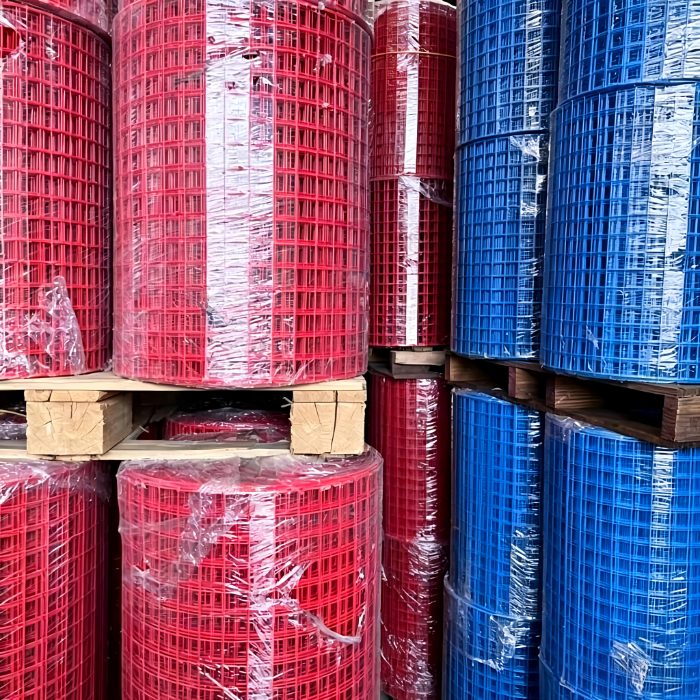
Traps are inspected at three points: after welding, after galvanizing and again during palletizing. Nothing ships with a soft weld, a torn throat or a missing brace.
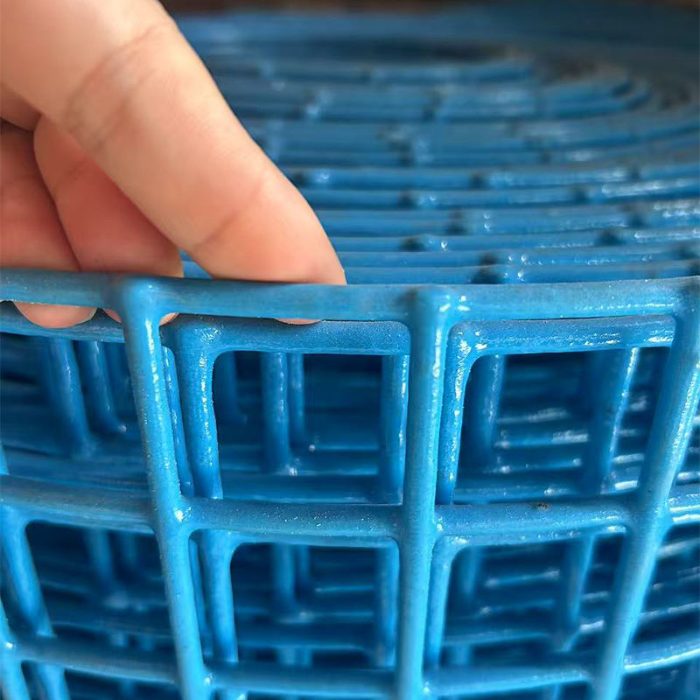
Different fisheries need different trap geometry. Tell us the species, depth and ground conditions and we will recommend the model that survives there.
Share a drawing, a photo, a sample trap or just the target dimensions and species. WhatsApp is fastest.
We return unit price, MOQ, lead time and freight options, plus a pre-production sample for approval if needed.
Your order runs on a fixed jig with staged inspection and a photo report before packing.
We book the booking, handle documents and stay reachable after arrival for reorders or adjustments.
Send the model, mesh size and quantity on WhatsApp and we will reply with a factory price and lead time — usually the same working day.